Why Is Ethiopia One of the Most Important Countries in Specialty Coffee?
Ethiopia is one of the most prominent origins in the specialty coffee market, driven by the diversity of its producing regions and the variation in coffee characteristics from one area to another.
The Ethiopian coffee sector relies heavily on smallholder farmers and local processing stations. This production model is a defining feature of the industry and makes traceability and consistency more complex compared to some other coffee-producing countries.
Ethiopia is also home to a large number of local coffee varieties and landraces, alongside diverse growing environments and different processing methods across producing regions. The interaction of these factors contributes to coffees that vary significantly in sensory characteristics and processing profiles.
To better understand the factors that shaped Ethiopia’s coffee sector, it is important to look back at the key stages that have influenced its development over the past decades.
لماذا تعتبر إثيوبيا من أهم الدول في القهوة المختصة؟
تُعد اثيوبيا من أكثر الدول حضورًا في سوق القهوة المختصة، نتيجة اختلاف مناطق الإنتاج وتباين خصائص المحاصيل بين منطقة وأخرى. ويعتمد قطاع القهوة في اثيوبيا بشكل كبير على صغار المزارعين ومحطات المعالجة المحلية، وهو نموذج يميز بنية القطاع ويجعل التتبع وثبات الجودة أكثر تعقيدًا مقارنة ببعض الدول الأخرى
كما تضم اثيوبيا عددًا كبيرًا من السلالات والأصناف المحلية، إلى جانب تنوع البيئات الزراعية واختلاف أساليب المعالجة بين مناطق الإنتاج ويساهم تداخل هذه العوامل في تكوين محاصيل تختلف بشكل واضح من حيث الخصائص الحسية وأنماط المعالجة ولفهم العوامل التي ساهمت في تشكيل قطاع القهوة في اثيوبيا، لا بد من العودة إلى المراحل التي مرّ بها هذا القطاع عبر العقود الماضية
From Wild Coffee Trees to Global Trade
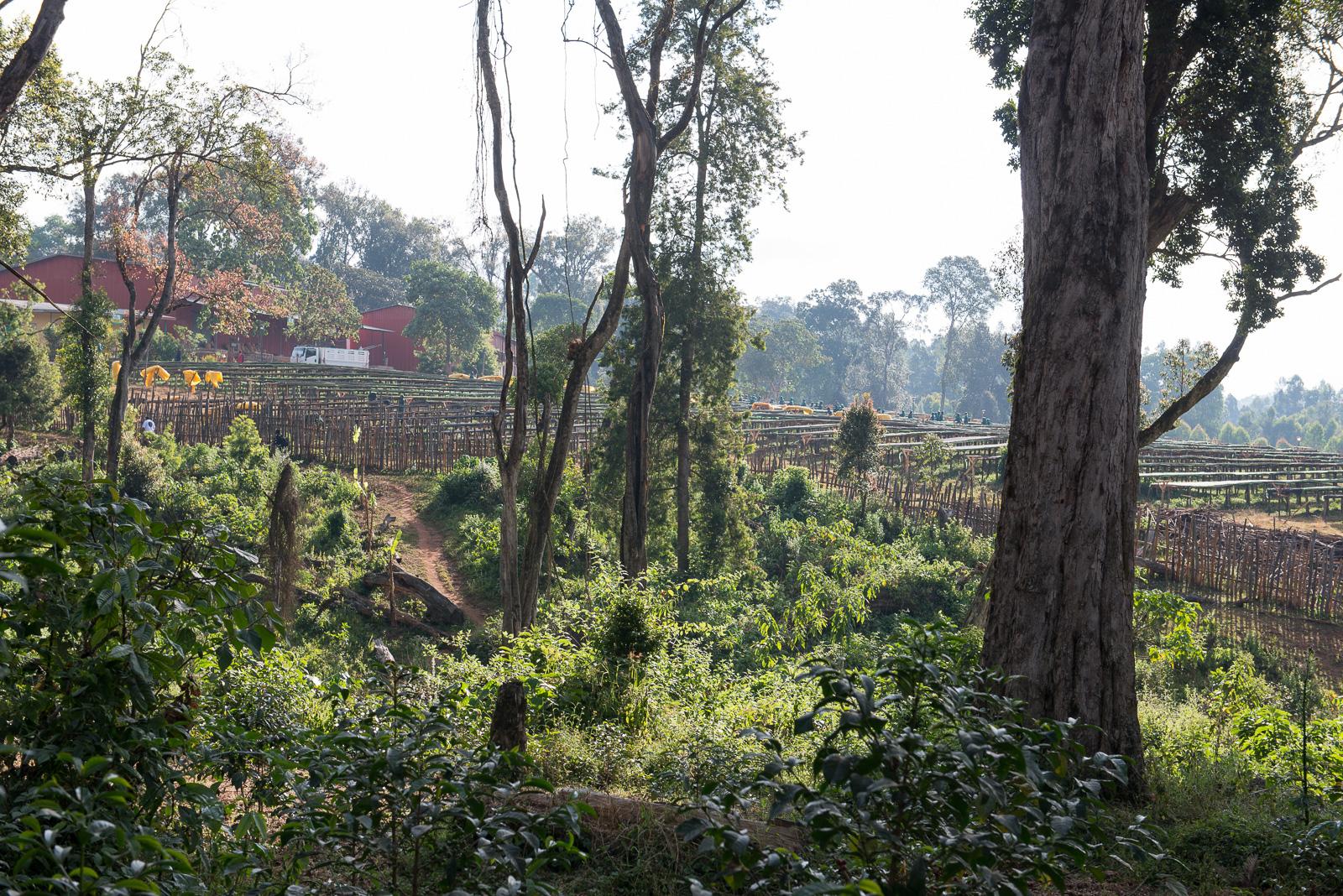
The origins of coffee in Ethiopia trace back to regions where coffee trees grew naturally in mountainous forests, long before coffee became a widely cultivated agricultural and commercial crop. In its earliest stages, coffee cherries were gathered from wild trees found in certain areas, without the organized farming systems known today.
As demand for coffee expanded, coffee cultivation spread more widely between the 16th and 19th centuries. Coffee gradually moved from local consumption to regional and international trade, particularly through trade routes connected to Yemen and ports along the Red Sea.
During this period, coffee became one of Ethiopia’s most important exports, with production relying heavily on smallholder farmers—a structure that remains a defining feature of the country’s coffee sector today.
البداية: من الأشجار البرية إلى التجارة العالمية
تعود بدايات القهوة في اثيوبيا إلى مناطق كانت تنمو فيها أشجار البن بشكل طبيعي في الغابات الجبلية، قبل أن تتحول القهوة لاحقًا إلى محصول زراعي وتجاري واسع الانتشار. وفي المراحل الأولى، كان البن يُجمع من الأشجار البرية المنتشرة في بعض المناطق، دون وجود أنظمة زراعية منظمة بالشكل المعروف اليوم. ومع توسع الطلب على القهوة، بدأت زراعة البن تنتشر بشكل أوسع بين القرنين السادس عشر والتاسع عشر، وانتقلت القهوة من الاستهلاك المحلي إلى التجارة الإقليمية ثم العالمية، خصوصًا عبر طرق التجارة المرتبطة باليمن وموانئ البحر الأحمر
وخلال هذه الفترة، أصبحت القهوة واحدة من أهم صادرات اثيوبيا، مع اعتماد الإنتاج بشكل كبير على صغار المزارعين الذين ما زالوا يشكلون جزءًا أساسيًا من قطاع القهوة في البلاد حتى اليوم
Genetic Diversity and Local Varieties
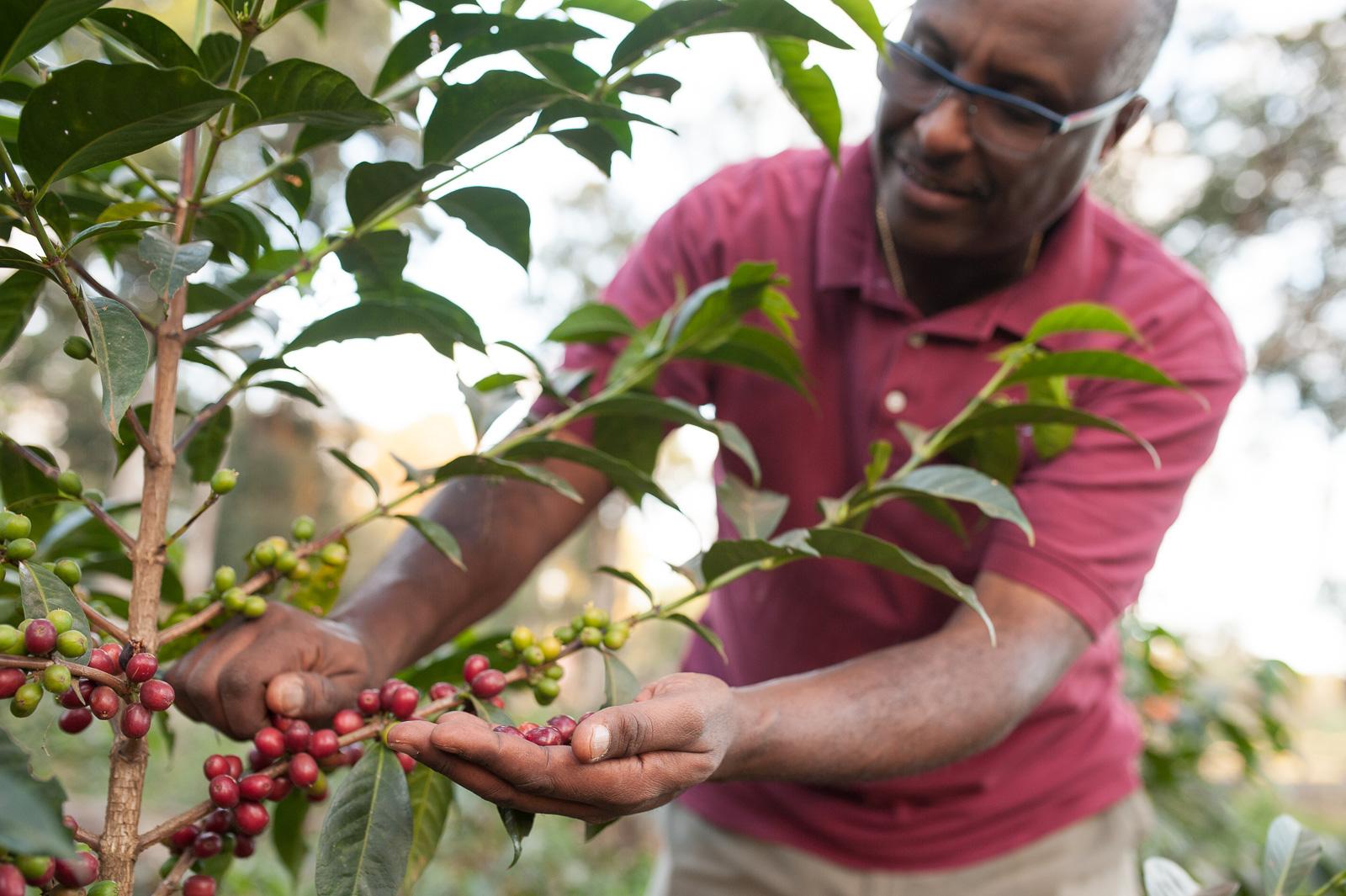
Ethiopia is home to one of the largest reservoirs of coffee genetic diversity in the world, making it one of the key factors behind the wide variation found across the country’s coffee-producing regions. Unlike some producing countries that rely on a limited number of cultivated varieties, Ethiopia has a large number of local varieties and landraces. In the coffee trade, the term Heirloom is commonly used to describe a broad group of these varieties found across different parts of the country. Part of this diversity is linked to the wide range of growing environments found throughout Ethiopia, which has contributed to the development of distinct characteristics across producing regions.
Coffees from regions such as Guji, Sidama, Yirgacheffe, Harrar, Jimma, and Limu differ due to variations in altitude, climate, growing conditions, and the varieties present in each area. A significant part of the variation between Ethiopian coffees can be attributed to natural factors such as elevation, climate, and local growing environments, in addition to farming practices and processing methods. Some producing regions also cultivate coffee under natural forest shade, which contributes to slower cherry maturation and the development of distinctive sensory characteristics. This diversity has contributed to a broad range of flavor profiles and processing styles, while also making traceability and consistency more complex compared to origins with more standardized production systems.
As a result, Ethiopian coffees are often evaluated based on their region, processing station, processing method, and the specific characteristics of each lot.
التنوع الجيني والسلالات المحلية
تُعرف اثيوبيا بامتلاكها واحدًا من أكبر التنوعات الجينية في القهوة على مستوى العالم، وهو أحد العوامل الرئيسية التي ساهمت في تنوع المحاصيل بين مناطق الإنتاج المختلفة وعلى عكس بعض الدول التي تعتمد على عدد محدود من السلالات الزراعية، تضم اثيوبيا عددًا كبيرًا من السلالات والأصناف المحلية. ويُستخدم مصطلح Heirloom بشكل واسع في تجارة القهوة للإشارة إلى مجموعة من السلالات والأصناف المنتشرة في مناطق مختلفة من البلاد. كما أن جزءًا من هذا التنوع يعود إلى انتشار زراعة البن في بيئات مختلفة عبر أنحاء اثيوبيا، وهو ما ساهم في ظهور خصائص متباينة بين مناطق الإنتاج المختلفة
وتختلف المحاصيل بين مناطق مثل قوجي، سيدامو، يرقاتشيف، هرر، جيما، وليمو نتيجة اختلاف الارتفاعات والمناخ والبيئة الزراعية والسلالات المنتشرة في كل منطقة. ويعود جزء كبير من الاختلاف بين المحاصيل الاثيوبية إلى العوامل الطبيعية المرتبطة بكل منطقة، مثل الارتفاع والمناخ والبيئة الزراعية، إلى جانب الممارسات الزراعية وأساليب المعالجة. كما تعتمد بعض مناطق الإنتاج على زراعة القهوة تحت الظل الطبيعي للأشجار، مما يساهم في بطء نضج الكرز وتطور الخصائص الحسية للمحصول. وقد ساهم هذا التنوع في توفير نطاق واسع من الخصائص الحسية وأنماط المعالجة، لكنه في الوقت نفسه جعل التتبع وثبات الجودة أكثر تعقيدًا مقارنة ببعض الدول التي تعتمد على إنتاج أكثر تجانسًا
ولهذا، غالبًا ما يتم تقييم القهوة الاثيوبية بناءً على المنطقة ومحطة المعالجة وأسلوب المعالجة، إلى جانب خصائص كل محصول على حدة
The Coffee Price Crisis and Its Impact on Farmers
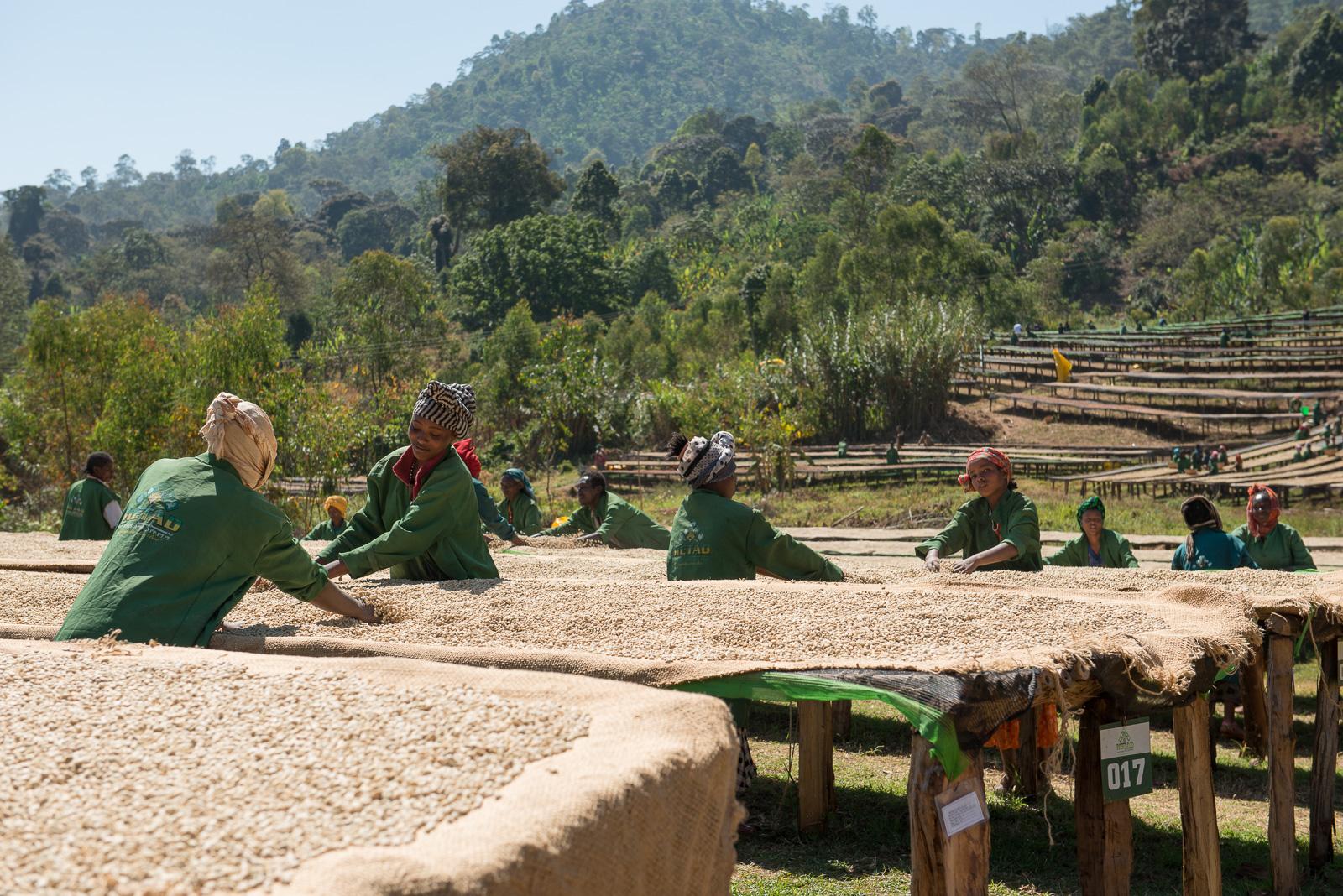
In the early 2000s, the global coffee industry experienced one of the most significant price crises in its modern history. Between 2001 and 2003, coffee prices fell to levels that no longer covered production costs in many producing countries, including Ethiopia. The crisis had a direct impact on farmers, particularly smallholders who relied heavily on coffee sales as a primary source of income. As returns declined, some farmers reduced their coffee production or shifted to other crops, while others struggled to cover the costs of cultivation, processing, and farm maintenance.
The effects extended beyond individual farms and into coffee-growing communities, where investment in quality improvement and agricultural infrastructure declined, making it increasingly difficult to sustain production in some regions. Over time, the crisis contributed to a broader discussion within the specialty coffee industry about price sustainability and the relationship between quality and farmer income.
As a result, the long-term sustainability of farmer livelihoods became an increasingly important part of the conversation surrounding coffee quality and the future of production.
أزمة أسعار البن وتأثيرها على المزارعين
في بداية الألفينات، شهد سوق البن العالمي واحدة من أكبر الأزمات في تاريخه الحديث. فبين عامي 2001 و2003، انخفضت أسعار البن إلى مستويات لم تعد تغطي تكلفة الإنتاج في كثير من الدول المنتجة، بما فيها اثيوبيا. أثّرت هذه الأزمة بشكل مباشر على المزارعين، خصوصًا صغار المنتجين الذين يعتمد دخلهم بشكل أساسي على بيع البن. ومع انخفاض العائد، اضطر بعض المزارعين إلى تقليص نشاطهم الزراعي أو التحول إلى محاصيل أخرى، بينما واجه آخرون صعوبة في تغطية تكاليف الزراعة والمعالجة والصيانة. كما أثّرت الأزمة على المجتمعات الزراعية المرتبطة بالقهوة، حيث تراجع الاستثمار في تحسين الجودة والبنية الزراعية، وأصبح الاستمرار في الإنتاج أكثر صعوبة في بعض المناطق. ومع الوقت، ساهمت هذه الأزمة في تغيير طريقة تفكير جزء من سوق القهوة المختصة، وبدأ يظهر نقاش أوسع حول استدامة الأسعار وعلاقة الجودة بالعائد الذي يحصل عليه المزارع
وأصبحت استدامة دخل المزارع جزءًا من النقاش المرتبط بجودة القهوة واستمرارية الإنتاج على المدى الطويل
Natural Processing and Improvements in Quality Consistency
For many years, naturally processed coffees in Ethiopia were often associated with greater variation in quality compared to washed coffees. This was largely due to the use of traditional drying methods and environmental conditions that were not always easy to control. In some cases, these practices could lead to drying or fermentation-related defects, which contributed to a market preference for washed coffees as a more consistent option.
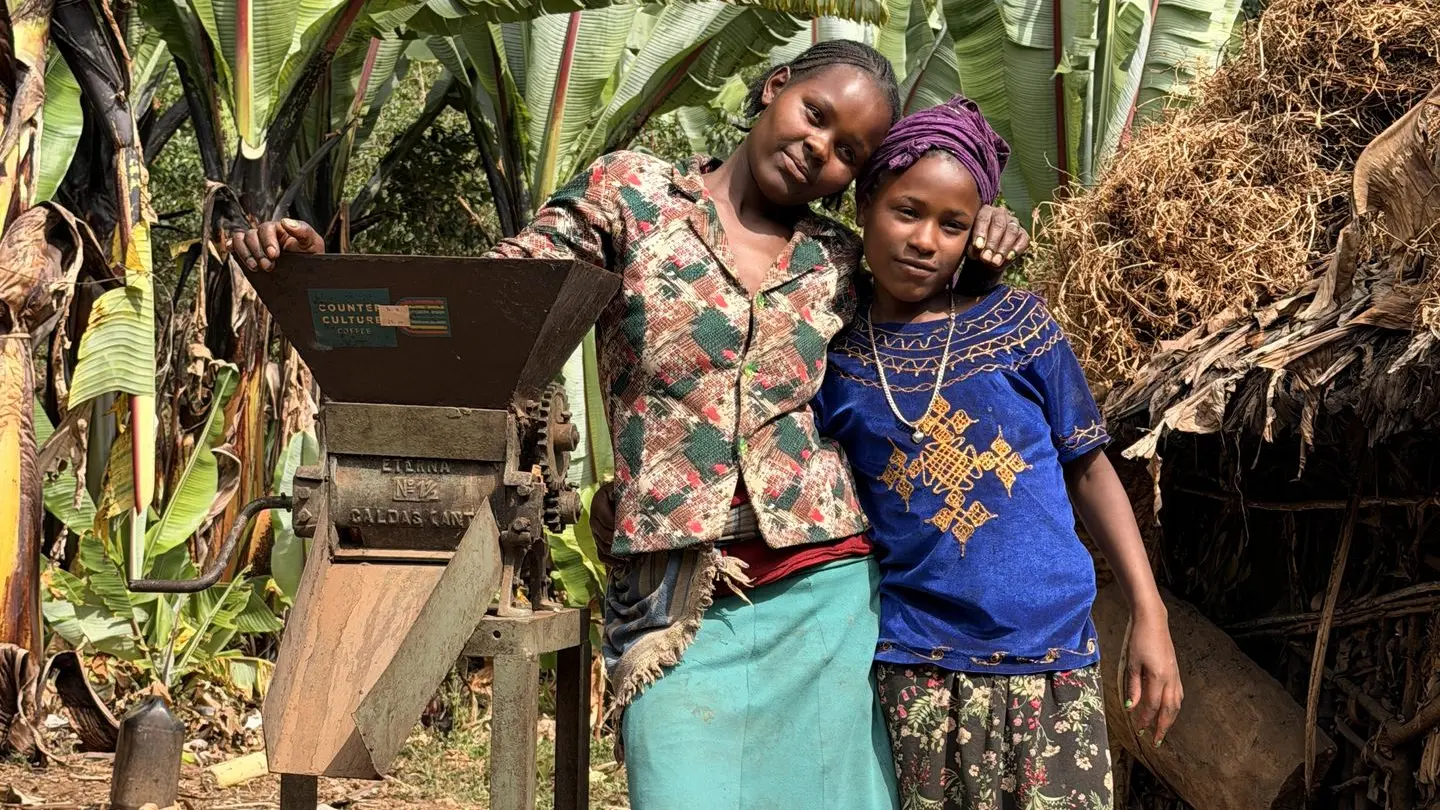
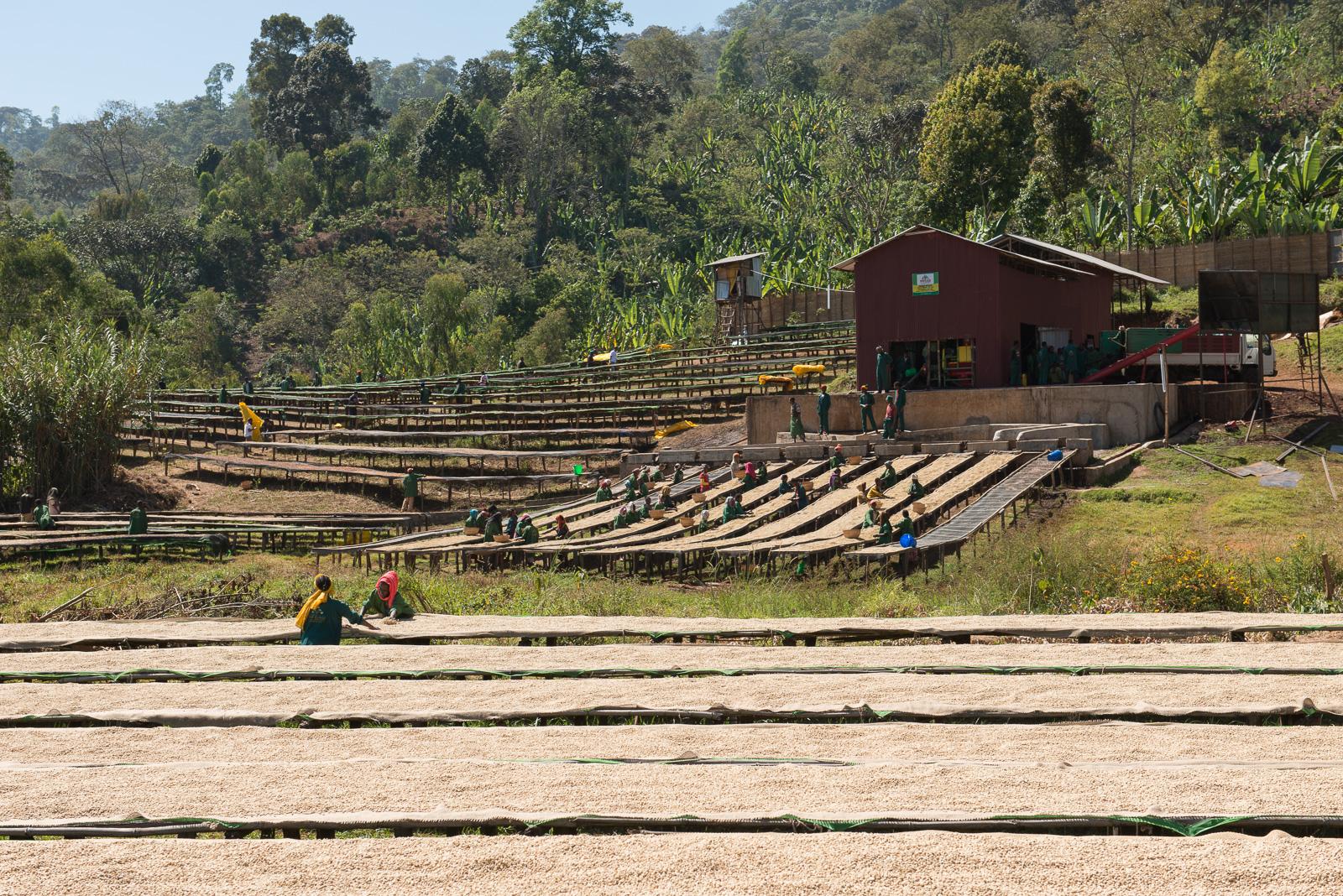
As the specialty coffee market continued to grow, many processing stations began improving their sorting and drying practices. The use of raised drying beds became more widespread, alongside better drying management and improved moisture control. These improvements contributed to greater consistency in naturally processed coffees compared to previous decades, helping Ethiopian naturals gain wider recognition within the specialty coffee market.
Today, many naturally processed Ethiopian coffees are known for their distinctive fruit-forward profiles and the variation in sensory characteristics found across different producing regions.
المعالجة الطبيعية وتحسين استقرار الجودة
لفترة طويلة، كانت القهوة المعالجة طبيعيًا في اثيوبيا تُعرف بتفاوت أكبر في الجودة مقارنة بالقهوة المغسولة، نتيجة اعتماد بعض مناطق الإنتاج على أساليب تجفيف تقليدية وظروف يصعب التحكم بها بشكل دقيق. وكانت هذه الممارسات قد تؤدي أحيانًا إلى ظهور عيوب مرتبطة بالتجفيف أو التخمير، مما جعل جزءًا من السوق يفضّل القهوة المغسولة باعتبارها أكثر استقرارًا. ومع نمو سوق القهوة المختصة، بدأت العديد من محطات المعالجة في تحسين ممارسات الفرز والتجفيف، مع زيادة الاعتماد على الأسرّة المرتفعة وتحسين إدارة عملية التجفيف ومراقبة الرطوبة بشكل أفضل. وساهمت هذه التحسينات في رفع استقرار المحاصيل الطبيعية مقارنة بفترات سابقة، وأصبحت القهوة الاثيوبية المعالجة طبيعيًا تحظى بحضور واسع في سوق القهوة المختصة
واليوم، تُعرف العديد من المحاصيل الطبيعية الاثيوبية بطابعها الفاكهي الواضح واختلاف خصائصها بين مناطق الإنتاج المختلفة
The Role of Smallholder Farmers and Processing Stations
Ethiopia’s coffee sector relies heavily on smallholder farmers, most of whom cultivate relatively small plots of land. For many producers, coffee is part of a broader farming system that includes multiple crops rather than being their sole source of agricultural income.
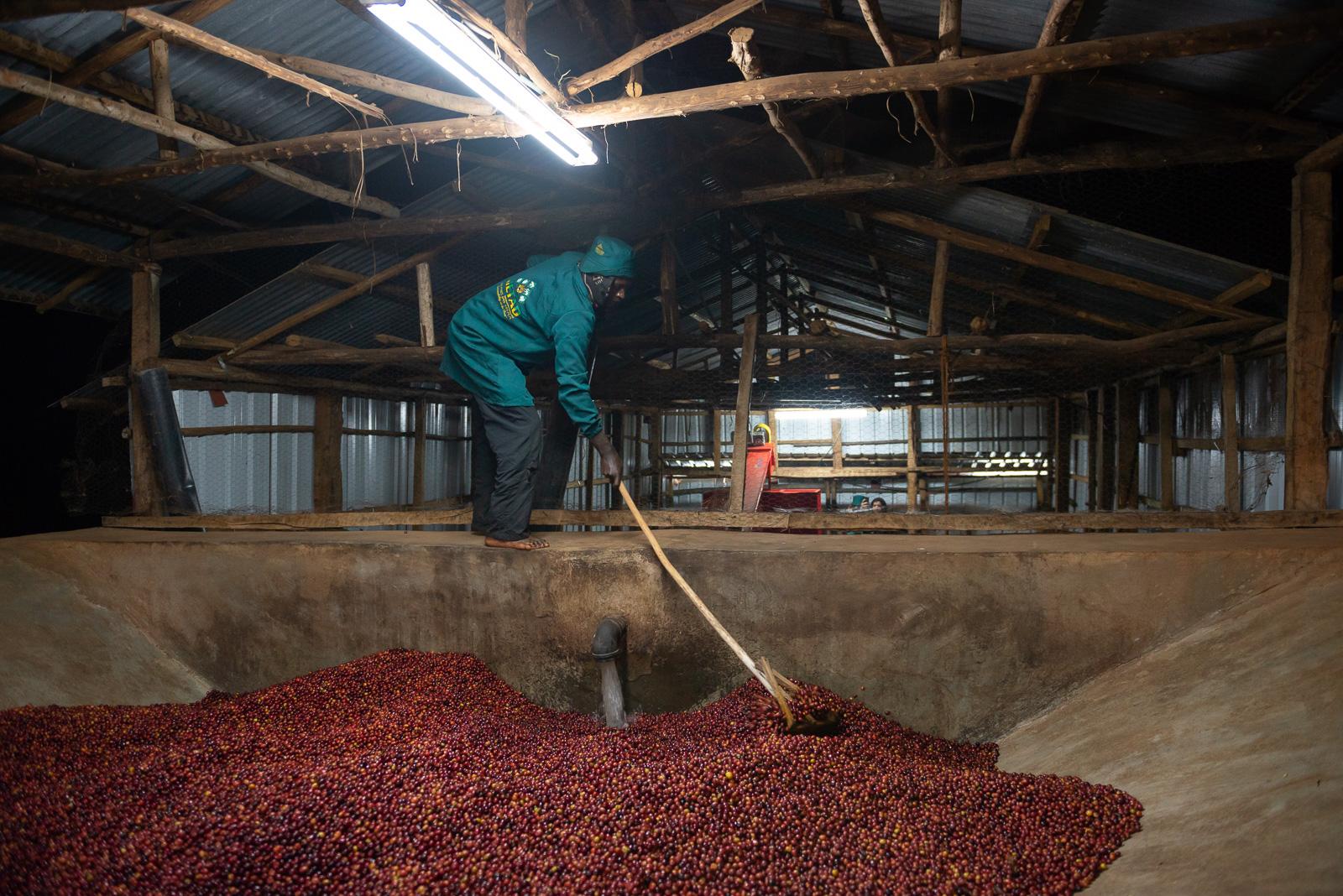
As a result, coffee cherries from large numbers of farmers are collected through processing stations, which play a central role in receiving, sorting, processing, and drying coffee before export. Some processing stations also support farmers through training programs, agricultural guidance, and technical assistance aimed at improving coffee quality over the long term. As the specialty coffee market has evolved, processing stations have become a key part of the supply chain, connecting farmers, exporters, and buyers while helping maintain quality consistency and ensuring the flow of coffee to international markets.
دور صغار المزارعين ومحطات المعالجة
يعتمد قطاع القهوة في اثيوبيا بشكل كبير على صغار المزارعين، حيث يملك أغلبهم مساحات زراعية محدودة، وغالبًا ما تكون الزراعة جزءًا من نظام معيشي يعتمد على عدة محاصيل، وليس على القهوة فقط
وبسبب هذا النموذج، يتم تجميع الكرز من عدد كبير من المزارعين عبر محطات المعالجة، التي تؤدي دورًا أساسيًا في استقبال المحصول وفرزه ومعالجته وتجفيفه قبل التصدير. كما تعمل بعض محطات المعالجة على دعم المزارعين من خلال التدريب وتطوير الممارسات الزراعية وتقديم الدعم الفني، بهدف تحسين جودة المحصول على المدى الطويل. ومع تطور سوق القهوة المختصة، أصبحت محطات المعالجة عنصرًا محوريًا في سلسلة الإمداد، حيث تربط بين المزارعين والمصدرين والمشترين، وتسهم في المحافظة على استقرار جودة المحاصيل وتدفقها إلى الأسواق العالمية
Conclusion
Today, Ethiopia remains one of the world’s most influential coffee-producing countries, shaped by a long history of coffee cultivation and the interaction of natural, agricultural, and economic factors. From smallholder farmers and processing stations to diverse growing environments and local varieties, the Ethiopian coffee sector has evolved through a combination of factors that continue to influence production, processing, and coffee quality today.
الخاتمة
تُعد اثيوبيا اليوم واحدة من أهم الدول المنتجة للبن العربي، نتيجة تاريخ طويل من زراعة القهوة وتداخل مجموعة من العوامل الطبيعية والزراعية والاقتصادية التي ساهمت في تشكيل القطاع. ومن صغار المزارعين إلى محطات المعالجة، ومن تنوع البيئات الزراعية إلى تعدد السلالات والأصناف المحلية، تشكّل قطاع القهوة الاثيوبي من مجموعة من العوامل التي ما زالت تؤثر في الإنتاج والمعالجة وجودة المحاصيل حتى اليوم
Looking for an Ethiopian lot that fits your list ?
هل تبحث عن محصول اثيوبي يناسب قائمتك؟
Talk to our sales team - تواصل مع فريق مبيعات كال